
"espresso terminology"
80 article(s) found

Explanation of the noun of Italian coffee machine
Espresso terminology when you read our History Chapter (to be published soon), you will find that what you are facing is still a very new technology. You will also feel that the technology used in the home espresso coffee model is still a decade or more behind the commercial model. But at the same time, this phenomenon is also changing. For this reason, I also condemn (or thank) the Internet. In the past few years, we have also

Coffee variety drink name Daquan coffee professional terminology Daquan, exchange essential!
Professional coffee knowledge exchange More coffee bean information Please pay attention to coffee workshop (Weixin Official Accounts cafe_style) Knowing rich coffee terms can't make coffee taste better, but it can make it easier for you to communicate with other coffee lovers. Coffee extraction must understand several important concepts: extraction: extraction comes from the Latin word, meaning to squeeze out, or take something
Introduction to Coffee basic knowledge Coffee bean grinding terminology
The task of grinding roasted coffee beans into powder is called grinding coffee beans. It is said that Beethoven puts sixty coffee beans into the mill every morning, grinds and brews coffee and enjoys its fragrance. And then experience the fun excitedly. According to its size, the grinding methods of coffee beans can be divided into three types: rough grinding, medium grinding and fine grinding.
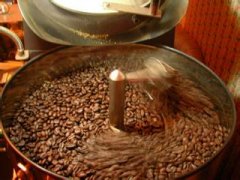
Coffee bean grinding terminology props for grinding coffee beans are called grinders
The task of grinding roasted coffee beans into powder is called grinding coffee beans. It is said that Beethoven puts sixty coffee beans into the mill every morning, grinds and brews coffee and enjoys its fragrance. And then experience the fun excitedly. According to its size, the grinding methods of coffee beans can be divided into three types: rough grinding, medium grinding and fine grinding.
The terminology of coffee
The nose is not bright, not only can not smell the fragrance, even the sense of taste is not as sensitive as usual. Think about it, whenever you catch a cold with a stuffy nose, do you feel more tasteless to eat? Usually sour food smells sour, and the taste we feel is actually a complex interaction between taste and smell. It seems not easy to separate taste from smell. No wonder "taste"
Fine coffee science coffee bean grinding terminology
Learn the coffee bean grinding term tannin: after extraction, tannin will become a yellowish powder, which can easily blend into water, and after boiling it will decompose and produce pyrosylic acid, making the coffee taste worse. and if the coffee is soaked and left for several hours, the color of the coffee will become stronger than when it was just soaked, and it is less tasty, so it is said that it is best to finish it as soon as possible. Caffeine:
Coffee bean grinding terminology
The grinding of roasted coffee beans into powder is called grinding coffee beans. It is said that Beethoven puts several sixty coffee beans into the mill every morning, grinds them, and then brews coffee while grinding coffee and enjoying its aroma. Then enjoy it with gusto. Coffee beans grinding methods can be slightly divided into coarse grinding, medium grinding and fine grinding according to their size.

The technical term "coffee" in Italian coffee comes from the Greek word "Kawen".
The word coffee comes from the Greek word Kawen, which means strength and enthusiasm. The name coffee comes from the Arabic word Qahwan, which means plant drink. Later, coffee spread all over the world and was named after its place of origin, KAFFA. It was not officially named after coffee until the 18th century. From the first cup of mellow coffee, after two hundred years, in 1530, the world

Coffee bean grinding terminology special words for coffee bean grinding
Caffeine: caffeine is the most eye-catching of all the ingredients in coffee. It is a kind of phytoxanthin (animal muscle component). It has the same properties as theobromine contained in cocoa, green tea contains the same theophylline, and the percentage of reduction after baking is very small. Caffeine has a very wide range of effects. will affect the human brain, heart, blood vessels, gastrointestinal, muscle and kidney and other parts, the right amount of caffeine

Special words for coffee bean grinding terminology for coffee bean grinding
Caffeine: caffeine is the most eye-catching of all the ingredients in coffee. It is a kind of phytoxanthin (animal muscle component). It has the same properties as theobromine contained in cocoa, green tea contains the same theophylline, and the percentage of reduction after baking is very small. Caffeine has a very wide range of effects. will affect the human brain, heart, blood vessels, gastrointestinal, muscle and kidney and other parts, the right amount of caffeine
Coffee knowledge Coffee bean grinding terminology
Caffeine: Caffeine is the most noticeable of all coffee ingredients. It belongs to a kind of plant xanthine (animal muscle component). Its properties are the same as theobromine contained in cocoa. The theophylline contained in green tea is the same. After baking, the percentage of reduction is extremely small. The effect of caffeine is extremely extensive. It will affect various parts of the human brain, heart, blood vessels, gastrointestinal tract, muscles and kidneys. Appropriate caffeine

Coffee bean grinding terminology professional terms for coffee bean grinding
Caffeine: caffeine is the most eye-catching of all the ingredients in coffee. It is a kind of phytoxanthin (animal muscle component). It has the same properties as theobromine contained in cocoa, green tea contains the same theophylline, and the percentage of reduction after baking is very small. Caffeine has a very wide range of effects. will affect the human brain, heart, blood vessels, gastrointestinal, muscle and kidney and other parts, the right amount of caffeine
Fine Coffee talking about the terminology of Coffee Bean Grinding
Caffeine: caffeine is the most eye-catching of all the ingredients in coffee. It is a kind of phytoxanthin (animal muscle component). It has the same properties as theobromine contained in cocoa, green tea contains the same theophylline, and the percentage of reduction after baking is very small. Caffeine has a very wide range of effects. will affect the human brain, heart, blood vessels, gastrointestinal, muscle and kidney and other parts, the right amount of caffeine
Basic knowledge of fine coffee terminology for grinding coffee beans
Caffeine: caffeine is the most eye-catching of all the ingredients in coffee. It is a kind of phytoxanthin (animal muscle component). It has the same properties as theobromine contained in cocoa, green tea contains the same theophylline, and the percentage of reduction after baking is very small. Caffeine has a very wide range of effects. will affect the human brain, heart, blood vessels, gastrointestinal, muscle and kidney and other parts, the right amount of caffeine
Basic knowledge of high-quality coffee beans terminology for grinding coffee beans
Caffeine: caffeine is the most eye-catching of all the ingredients in coffee. It is a kind of phytoxanthin (animal muscle component). It has the same properties as theobromine contained in cocoa, green tea contains the same theophylline, and the percentage of reduction after baking is very small. Caffeine has a very wide range of effects. will affect the human brain, heart, blood vessels, gastrointestinal, muscle and kidney and other parts, the right amount of caffeine
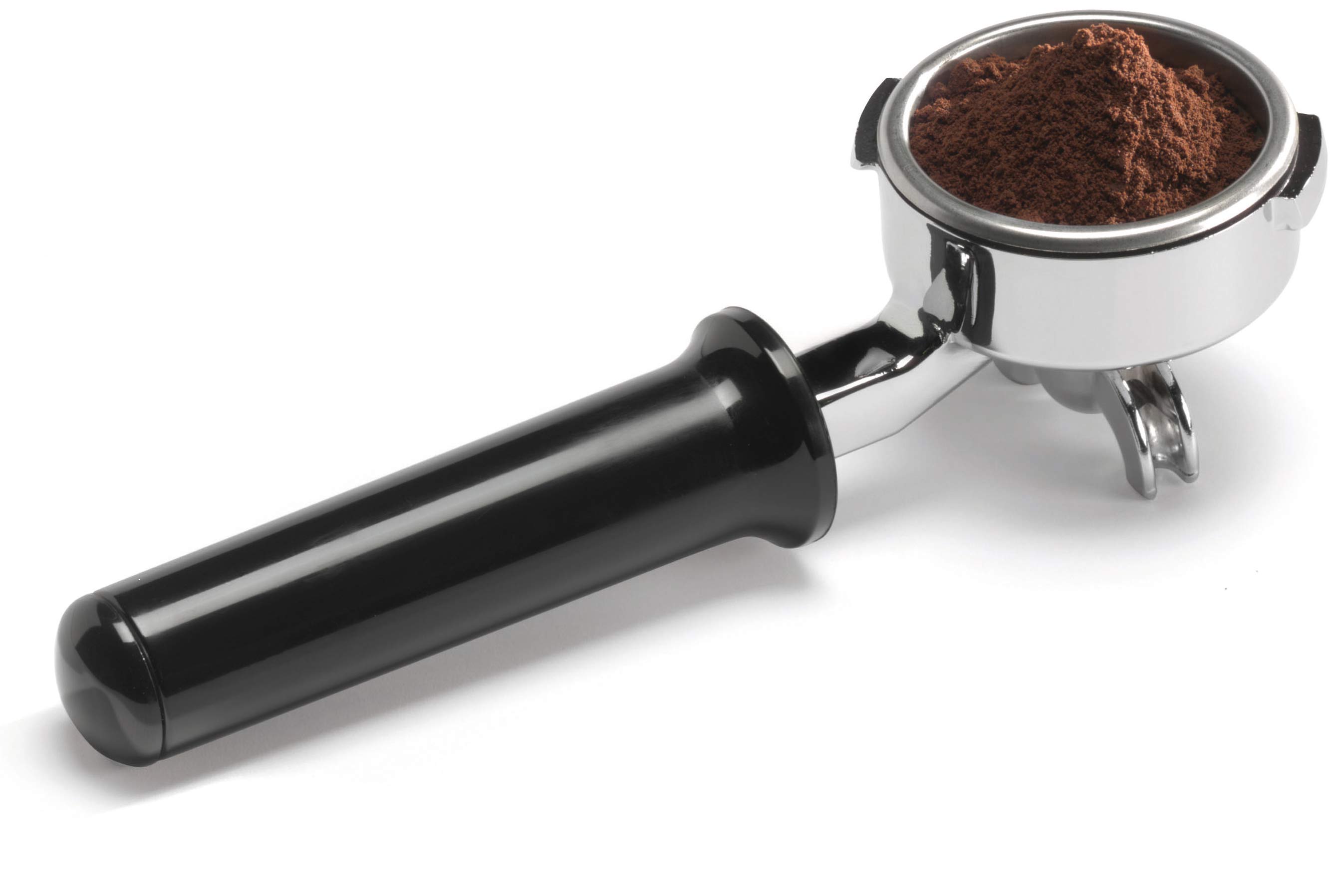
Coffee bean grinding terminology how to grind coffee the effect of the thickness of coffee bean grinding on coffee
Caffeine: caffeine is the most eye-catching of all the ingredients in coffee. It is a kind of phytoxanthin (animal muscle component). It has the same properties as theobromine contained in cocoa, green tea contains the same theophylline, and the percentage of reduction after baking is very small. Caffeine has a very wide range of effects. will affect the human brain, heart, blood vessels, gastrointestinal, muscle and kidney and other parts, the right amount of caffeine
Fine coffee common sense coffee bean grinding terminology
Caffeine: caffeine is the most eye-catching of all the ingredients in coffee. It is a kind of phytoxanthin (animal muscle component). It has the same properties as theobromine contained in cocoa, green tea contains the same theophylline, and the percentage of reduction after baking is very small. Caffeine has a very wide range of effects. will affect the human brain, heart, blood vessels, gastrointestinal, muscle and kidney and other parts, the right amount of caffeine
Coffee common sense fine coffee bean grinding terminology
Tannic acid: after extraction, tannin will turn into a yellowish powder, which can easily blend into water. After boiling, it will decompose and produce pyrosylic acid, which will make the coffee taste worse. If the coffee is soaked and left for several hours, the color of the coffee will become stronger than when it was just soaked, and it is not tasty enough, so there is a saying that it is best to finish it as soon as possible. Caffeine: caffeine is one of all the ingredients in coffee

Coffee Common Sense Espresso Special Language
Single: Espresso refers to brewing a cup of Espresso with a single serving (about 7g-9g) of coffee beans. * Double: Espresso is a term used to brew Espresso with double portions (about 14g-18g) of coffee beans. * Triple: Espresso is a term used to brew a cup of Espresso with three times the amount of coffee beans (about 21 g 27 g)